Must-Visit Renaissance Villa in Rome: A Hidden Gem Where Past Popes Retreated

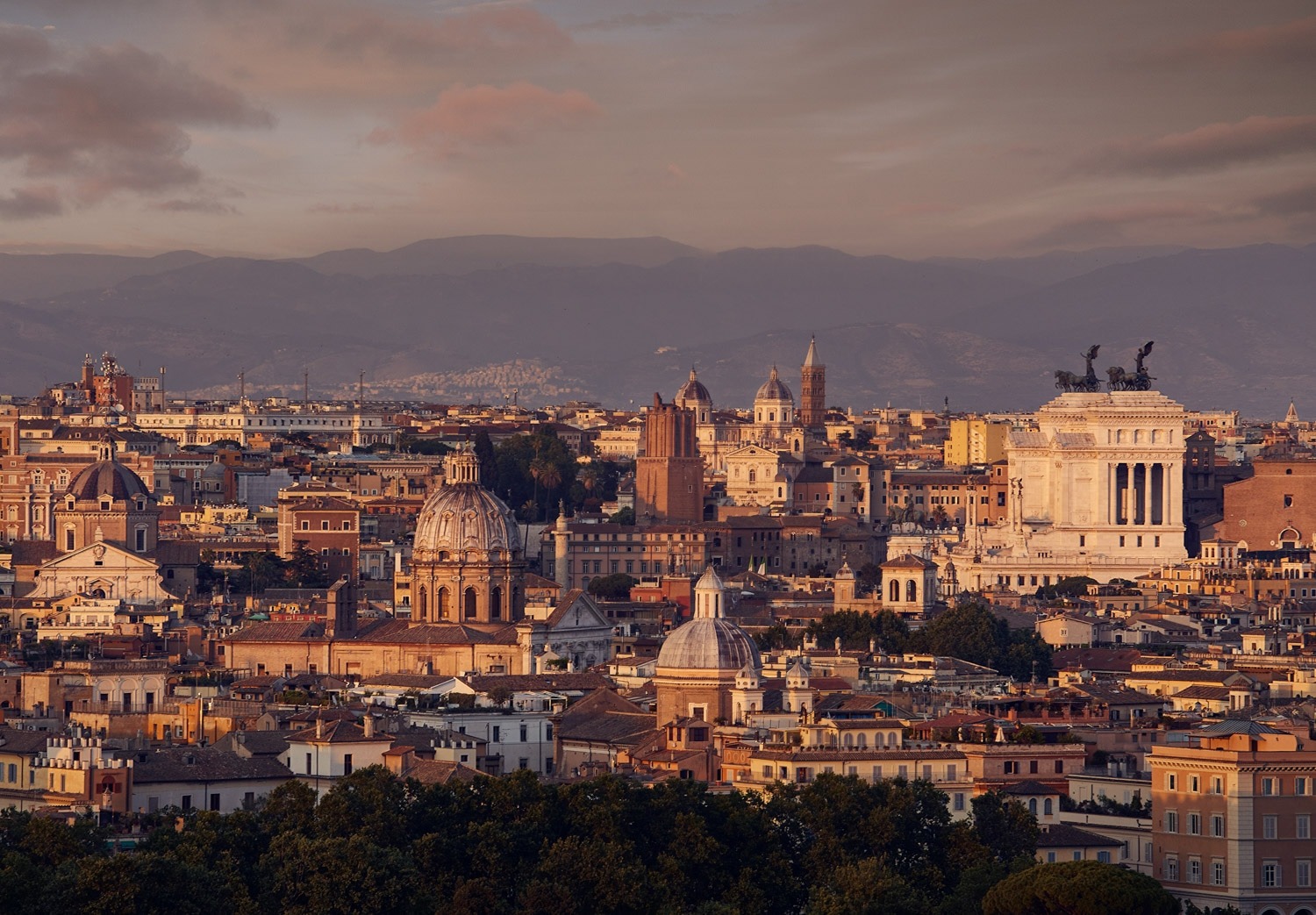
The Villa Barberini, located among the Pontifical Villas of Castel Gandolfo, holds immense historical importance in the city of Rome. Built atop the ruins of Emperor Domitian’s old Alban Villa, it serves as a reminder of Imperial Rome’s former splendor.
The tale of Villa Barberini is marked by significant change. Initially constructed as an impressive Roman residence under Emperor Domitian, the location remained unused for many years until it was brought back to life during the 1600s through the efforts of the influential Barberini clan. They not only took up residency but also extensively remodeled the region, converting it into a lavish and vital part of Rome’s urban landscape.
Heading to Rome? You might find these articles intriguing:
- Open since 1518, this establishment holds the title of being Rome's oldest restaurant, offering robust and genuine Italian dishes.
- The recently launched hotel in Rome, crafted by architect Zaha Hadid, stands as the premier choice for accommodations in the Eternal City.
- 5 lesser-known museums to explore in Rome
The early beginnings of Villa Barberini up until today
In this era, the villa became particularly significant as a refuge for the Pope to unwind and find relaxation. Its importance stemmed from being situated within the Papal States—territories directly governed by the Pope himself.
Today, the Villa Barberini continues to be a significant site with roots tracing back to ancient Rome and later evolving during the Renaissance period. It retains its prominence as an important element within documented papal history.
The interaction between architectural design and botanical elements
This estate exemplifies meticulous planning, with the primary residence acting as the centerpiece, complemented symmetrically by auxiliary structures extending outwardly. This layout fosters an aesthetic balance and harmony throughout the property.
As you enter, the building’s rich historical tapestry unwinds, told through its ornamental elements. A visual chronicle of artistic progression is displayed via the varied styles of frescoes and stucco work, with each stratum uncovering its time period. The preservation integrates these different epochs effectively. Roman architectural features , notably the Cryptoporticus from Domitian's palace, offers a tangible connection to the site’s distant past.
Beyond the walls, Villa Barberini’s extensive gardens showcase the epitome of Italian Renaissance and Baroque landscaping, blending deliberate design with natural charm. These spaces are meticulously laid out using strict geometric designs, which impose an evident structure and coherence.
Embedded among these designs are ornate fountains and complex water elements, demonstrating an advanced grasp of hydraulics. Accompanying this array are various plants, including ancient holm oaks, cypress trees, and carefully trimmed hedges that blend with indigenous plant life and seasonal bushes.
Moreover, the Giardino del Moro enchants visitors with its precisely manicured topiaries and dramatic water features, whereas the Belvedere Garden offers stunning vistas of the surrounding Roman landscape.
Villa Barberini
Via dei Penitenzieri, 20
00193 Rome
thevaticantickets.com/villa-barberini