Coca-Cola and Unilever Linked to Texas Fracking in Major Plastic Industry Investigation

An image of a Magnum ice cream wrapper swirling in the breeze, alongside an abandoned Coca Cola bottle adrift in the ocean. Often when envisioning plastic contamination, such discarded objects come to mind readily. However, recent studies highlight issues further back along the supply chain as well, tracing plastic manufacturing all the way back to the very oil fields from which they stem.
For the first time, hydraulic fracturing activities in the United States have been connected to ethane shipments to Europe via prominent petrochemical firms, which then distribute these products to internationally recognized brands.
More precisely, these petrochemicals originate from fracking In the Permian Basin located in Texas, it has been referred to as a 'carbon bomb' due to the severe consequences of extracting all of its resources on global emissions. The issue with water contamination is so dire that some locals have posted videos online showing their tap water igniting.
"It truly comes down to practicing what you preach," states Delphine Levi Alvares, who serves as the global petrochemicals campaign manager at the Center for International Environmental Law (CIEL). This organization, along with Stand.earth, has published this latest research.
“If we’ve rejected fracking In Europe, considering the effects on our neighborhoods, why should we endorse consumer goods originating from fracking processes that affect different communities?
The information "fills in the gaps" that activists always thought existed, Levi Alvares informs Euronews Green. She adds that the most striking aspect is the high concentration of control over the initial stages of the supply chain, dominated by major petrochemical corporations. INEOS serving a notably crucial function in Europe.
In what ways do petrochemicals from hydraulic fracturing find their way into European plastic packaging?
Dr. Devyani Singh, an investigative researcher at Stand.earth, elucidates that the team began their investigation from the origin point. They pinpointed businesses responsible for producing large quantities of natural gas liquids (NGLs). These NGLs encompass substances like ethane, among others. The focus narrowed down to scrutinizing five major entities: EOG Resources, Chevron, Devon Energy, Occidental Petroleum, and Diamondback Energy.
A major player in the transportation of NGLs in the United States isEnterprise Products, which moves these products via its extensive pipeline network stretchingfrom oil wells all the waytoits terminal in Texas. Using various vessel-tracking information along with corporate documents, Stand.earth was able to trace where these shipswereunloading their cargoesand identifythe buyersoftheir shipments.
The main purchasers were India-based conglomerate Reliance Industries and INEOS, headquartered in the UK, which ranks as the globe’s fourth-largest chemicals firm and Europe’s leading plastics manufacturer. For INEOS, part of the ease in monitoring vessel movements stemmed from the publicity surrounding its activities. ‘Dragon’ vessels , prominently displaying 'Shale Gas for Progress' and 'Shale Gas For Europe'.
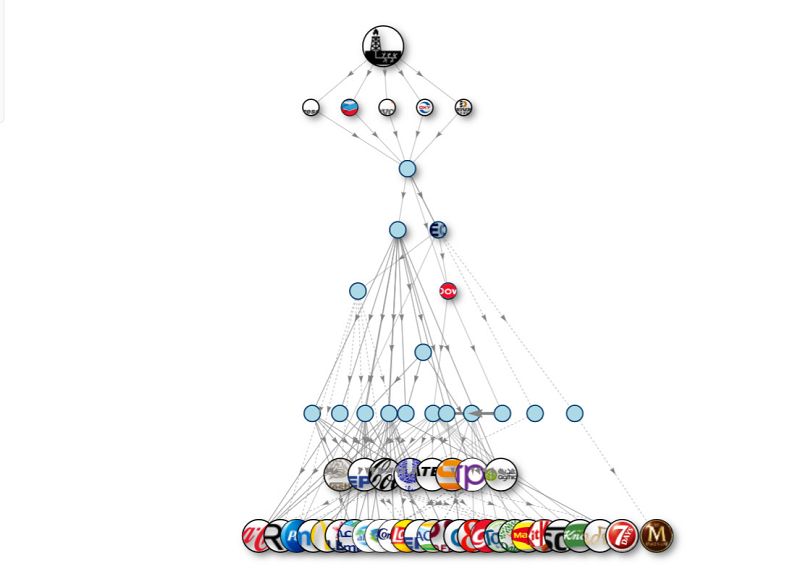
The company operates with divisions across different phases of the supply chain. Within Europe, INEOS converts ethane into ethylene, the most extensively utilized petrochemical raw material globally, which then goes into producing materials like polyethylene and PET found in items ranging from shopping bags to beverage containers and textiles. Additionally, INEOS functions as a supplier in certain areas of polymer manufacturing—providing chemical substances to companies such as Dow Chemicals, one of the key entities within this industry ecosystem.
Stand.earth’s supply chain visualiser laces INEOS closely to Procter and Gamble—a parent corporation overseeing numerous brands such as Always (for menstrual products), Gillette, and Olay. Additionally, it provides materials to Unilever, Coca-Cola, Nestlé, and various other well-known consumer goods companies.
Dr. Singh points out that the greater the number of connections, the higher the likelihood that a specific plastic object is composed of petrochemicals sourced from the Permian Basin.
While ethane is not the sole raw material for making plastics, there has been a move away from utilizing the main substitute, known as naphtha which comes from oil refining processes. Additionally, since Europe produces very little ethane domestically, most of it must be imported, primarily coming from the United States—with much of this supply originating specifically from Texas.
In what ways might the political landscapes of the US and EU impact this supply chain?
The surge in plastic use is viewed as a supply-side problem, according to campaigners. "There is a clear connection between the sharp increase in single-use plastics produced since early 2000 and the rapid growth of hydraulic fracturing operations in the United States," explains Levi Alvares.
Even though customers feel guilty about their plastic consumption, the surge in inexpensive ethane encourages the industry to increase production, according to her. This also leads them to develop new markets as others may decline.
It remains to be observed how Trump’s second term will affect fracking, particularly after its growth during his initial presidency. The U.S. President has ordered " drill baby drill This may not be welcome news for fossil fuel producers because increased extraction could lead to greater competition and reduced prices.
It suggests that there could be an increased supply of raw materials for petrochemical manufacturing, particularly for plastics," says Levi Alvares. "However, with the current tariff conflicts, the impact on the fossil fuel sector remains uncertain.
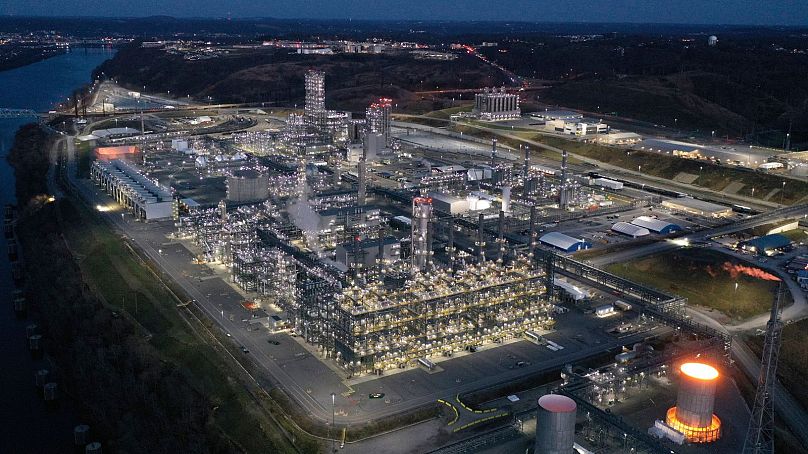
In the meantime, Brussels is advocating for the re-industrialisation and decarbonisation of Europe to enhance its competitiveness via the new plan. Clean Industrial Deal . It’s an amenable environment for petrochemical companies to advance their plans, such as INEOS’s Project One in Antwerp.
Should it proceed with construction, this facility would become Europe’s largest ethane cracker—a processing unit that employs intense temperatures to split the gas into components like ethylene and propylene. The Project One initiative has encountered ongoing legal opposition from groups such as ClientEarth along with various environmental non-governmental organizations. These entities contend that regulatory bodies have inadequately assessed the project’s overall ecological repercussions.
As Europe tightens regulations on plastic Consumption, according to CIEL, indicates that there isn’t a distinct requirement for the establishment.
The cost of maintaining EU competitiveness alongside purported decarbonization differs significantly from what policymakers acknowledge. This is due to the fact that the European Union’s petrochemical sector cannot be effectively decarbonized when raw materials originate from U.S.-based hydraulic fracturing operations or oil extracted elsewhere. Niger Delta "And so forth," contends Levi Alvares.
"Shifting the burden of environmental degradation and human rights abuses onto others is an aspect of continuous petro-colonization that Gulf South communities have been compelled to bear," explains Yvette Arellano, who founded and leads Fenceline Watch in Houston, Texas—a community-based organization.
From harmful extractions in the Permian Basin to hazardous productions along the Houston Ship Channel, the consequences include permanent harm to our children’s well-being—such as reduced birth weights and reproductive and developmental issues—that affect multiple generations.
Holding plastic companies accountable
Primarily, the activists are urging for a decrease in plastic manufacturing.
“The single-use plastics Dr. Singh states, "The overwhelming presence of these options in our daily lives, despite having alternatives, essentially represents Big Oil's strategy to promote the growth of the fossil fuel sector."
Levi Alvarez points out that brands often overlook the fact that their main focus should be delivering products to consumers rather than concentrating solely on packaging. Thus, he argues that when these companies opt for materials like plastic, they must take accountability for the source and impact of those choices.
CIEL along with Stand.earth claim that their study advances transparency and encourages brands to examine supply chains for insights into plastic-related contamination. They argue that pledges regarding virgin plastic usage have grown less stringent over time, which could portray corporations as " hypocritical" when they purportedly seek resolutions.
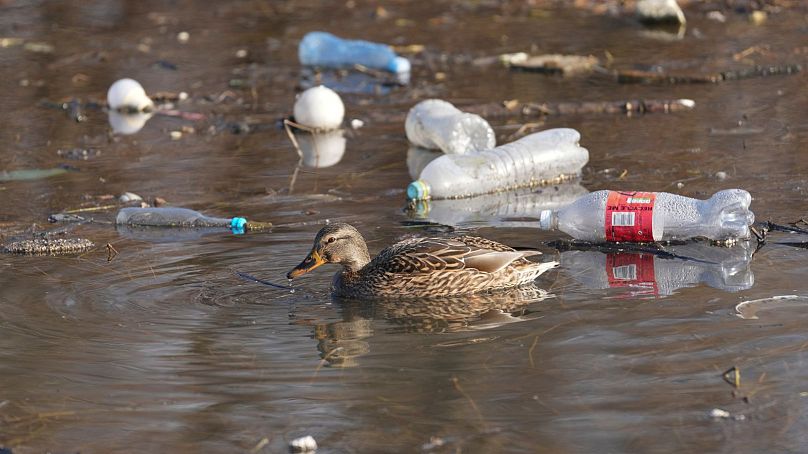
For instance, Coca-Cola, which is part of the prominent Business Coalition for a Global Plastics Treaty, declared that it would abandon its self-imposed targets to reduce the usage of new virgin plastics shortly following discussions regarding the treaty. collapsed In December, a new study from Oceana reveals that the company’s annual plastic usage is projected to surpass 4.1 million metric tons by 2030.
Even though feedstocks frequently go unnoticed, petrochemicals are poised to become the biggest factor behind increased global oil and gas usage, as stated by the IEA. report on energy ‘blind spots’.
Corporate polluters will keep profiting as long as we lack transparency, limitations on harmful chemicals, and strict controls over production," states Steven Feit, senior attorney and legal and research manager at CIEL. "What we really need is robust regulations. Global Plastics Treaty To reduce plastic manufacturing and ensure that corporations throughout the whole supply chain face accountability for their pollution."
A representative for Unilever stated that the company "buys new plastics sourced from various suppliers, all originating from petroleum chemicals. Decreasing our usage of virgin plastic is a top priority, and last year we utilized more recycled plastic than ever before (accounting for 21 percent in 2024)."
Euronews Green reached out to INEOS, P&G, and Coca-Cola, however, they did not promptly reply to requests for their comments.