How to Keep Your Electric Car Running Smoothly: Expert Tips


Maintaining an electric vehicle is straightforward. It involves significantly fewer tasks compared to maintaining a gasoline-powered car.
Although electric cars might have a higher upfront cost compared to traditionally fueled ones, they tend to be less expensive to operate through inexpensive at-home charging. Additionally, electric vehicles also help their owners save money consistently through reduced maintenance expenses over time .
This is due to the fact that electric vehicles remove more than twenty mechanical parts that typically necessitate regular maintenance. As a result, an EV owner can avoid expenses related to tune-ups, oil changes, coolant system flushing, transmission services, and replacements of the air filter, spark plugs, and drive belts. According to sources, this makes owning an electric vehicle cost-effective. approximately half as much as drivers with traditionally fueled vehicles spend on routine maintenance .
EV Maintenance
- Electric Vehicles Like Teslas Offer Lowest 10-Year Maintenance Expenses: Consumer Reports
- What Is the Optimal Electric Vehicle Service Timeline?
Nevertheless, an electric vehicle still requires some level of maintenance. Every automotive manufacturer demands that owners adhere to a specific routine of inspections and servicing to maintain the validity of their vehicle’s warranty. Failure to comply with this suggested timeline could result in repair costs not being covered under the warranty.
Other than rotating the tires, swapping out the cabin air filter and wiper blades, and refilling the washer fluid, most of this involves different types of mechanical checks. Car manufacturers recommend—and rightly so—that besides basic chores such as verifying the tire pressure, replenishing the windshield washer fluid, and maybe switching the wipers, these services ought to be carried out by an experienced professional in the dealership’s maintenance section.
Three Distinct Electric Vehicles With Three Unique Service Timelines
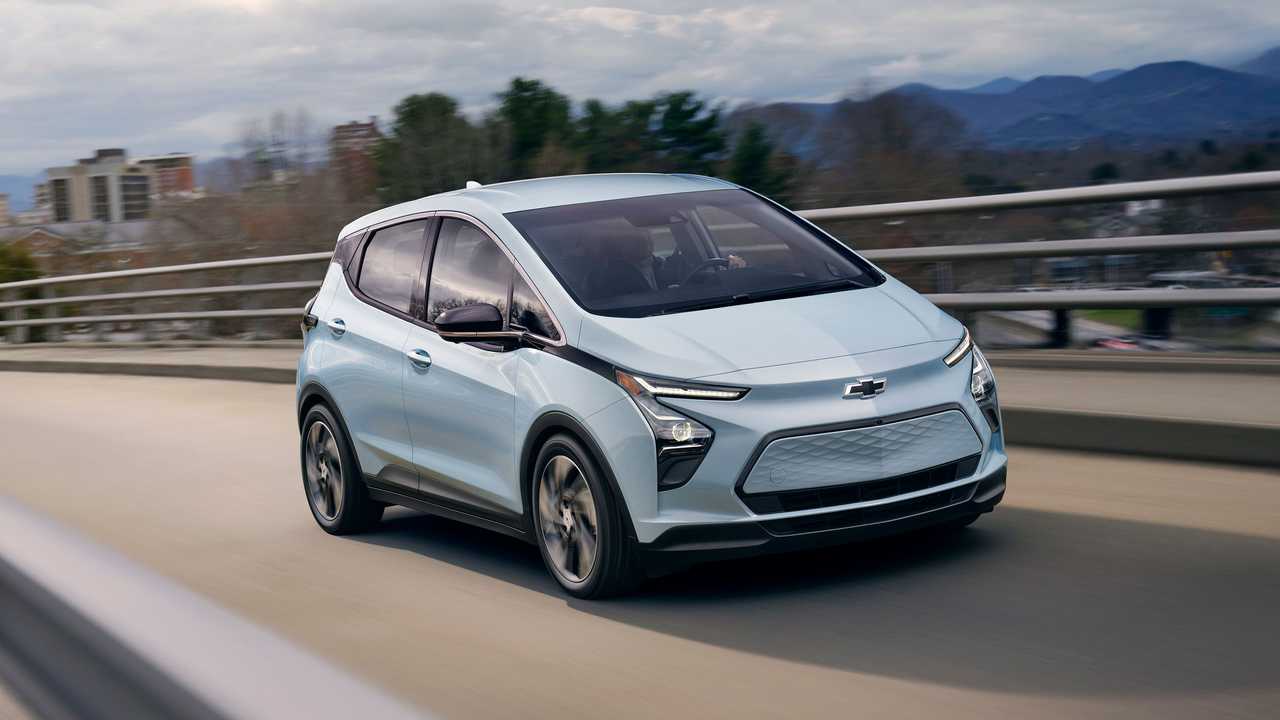
Chevrolet Bolt
For instance, here’s a look at the maintenance schedule for the 2019 Chevrolet Bolt EV:
Monthly (performed by owner):
- Verify the tire pressure and make adjustments if needed. Inspect the tires for excessive wear. Ensure the windshield washer fluid level is sufficient and top up if required.
Every 7,500 miles:
- Rotate the tires. Verify the coolant levels for the battery, cabin heater, and power inverter, as well as the accessory power and charger modules. Look for any visible fluid leaks. Examine the brake system. Conduct a visual inspection of the steering, suspension, and chassis parts for any damages. Assess the condition of the power steering, half shafts, and driveshafts for excess wear, leakage, or damage indicators. Test the functionality of the restraint (airbag) system. Apply lubrication to body elements such as door locks. Evaluate the accelerator pedal for potential issues like damage, high resistance, or sticking; consider replacing it if needed. Perform a thorough visual examination of the gas struts (part of the suspension) for indications of wear, fractures, or harm. Confirm whether a tire sealant kit is installed and check its expiry date since this product can be utilized to patch up and reinflate punctured tires on an interim basis.
Twice a year:
- Wash away corrosive substances like road salt from the underbody with clean water.
Every 15,000 miles:
- Change the windshield wipers.
Every 36,000 miles:
- Change the cabin air filter at regular intervals, replacing it more often if needed.
Every 75,000 miles:
- Swap out the hood and/or body lift support gas struts.
Every five years:
- Empty and refill the car's cooling system. Change out the brake fluid.
Every seven years:
- Get the air conditioning desiccant replaced. (This component absorbs and retains moisture within a vehicle’s AC system to aid in preventing rust and corrosion.)

Nissan Leaf
Nissan provides two distinct maintenance schedules for the Leaf. The first schedule applies under more demanding conditions such as regular short journeys shorter than five miles during mild weather or ten miles when it’s below freezing, congested driving in high heat, prolonged slow speeds over vast areas, operation in sandy environments, navigating bumpy, muddy, or salty streets, or mounting a roof rack.
Schedule 2 demands less frequent upkeep but is applicable solely for highway driving under mild weather conditions. In essence, the majority of Leaf owners will find themselves needing Schedule 1 servicing.
Similar to the Bolt, this involves various routine maintenance checks. According to Nissan, these tasks include rotating the tires every six months or 7,500 miles, and replacing the cabin air filter annually or every 15,000 miles. Additionally, the brake fluid needs to be refreshed every two years or 30,000 miles, and the coolant should be changed after 15 years or 120,000 miles.

Tesla Model 3 Alongside Model Y
Tesla suggests the following maintenance tasks and their respective frequencies:
- Check the condition of brake fluid every 4 years (and replace if needed).
- Replace the A/C desiccant bags every four years.
- Replace the cabin air filter every two years.
- Replace the HEPA filter every three years.
- Service and grease the brake calipers annually or after driving 12,500 miles (20,000 km), particularly if you live somewhere with salty roads in wintertime.
- Rotate the tires every 6,250 miles (10,000 km), or when the tread depth discrepancy reaches 2/32 inch (1.5 mm), whichever occurs first.
Frequent use of heavy braking when towing, descending mountains, or engaging in spirited driving—particularly in hot and humid conditions—might require more regular inspections and replacement of brake fluid in vehicles.
Moreover, Tesla includes these two points:
- Battery coolant: Under typical conditions, you do not need to replace the battery coolant during the lifetime of your vehicle.
- Brake Fluid: Do not add more brake fluid.
More On Battery Degradation
- Tesla: Battery Capacity Drops an Average of 12% Over 200,000 Miles
- Tesla Model 3 Battery Degradation Test: 8% Decrease Over 3 Years / 102,000 Miles
- Insights Gained from 10,000 Electric Vehicles and 100 Million Miles of Driving
- Does Rapid Charging Damage an EV's Battery?
Battery Pack
When considering an electric vehicle, the most expensive part to keep in mind is the battery pack. Over time, all electric car batteries tend to deteriorate and can hold less charge, although this process occurs slowly. This concern was more relevant for earlier EV models that struggled to reach even 80 miles per charge compared to modern vehicles capable of exceeding 300 miles on a single charge. Only a small number of electric cars produced so far have experienced significant degradation requiring replacement of the battery. However, as you continue owning your EV, you'll likely notice a reduction in its driving range. If this decrease becomes problematic, you might need to replace the battery pack or upgrade to a newer model.
Conclusion
Reduced upkeep does not guarantee that an electric vehicle is indestructible. Owners of these vehicles will still need to change the tires, service the brakes, and may have to replace parts such as the steering and suspension components, hoses, headlights, taillights, among others. Always refer to your owner’s manual for detailed maintenance instructions tailored specifically for your electric automobile.